10 Essential Tips for Trekking Annapurna
By Prajwal Deula | Updated: October 2026 | Category: Trekking Guides
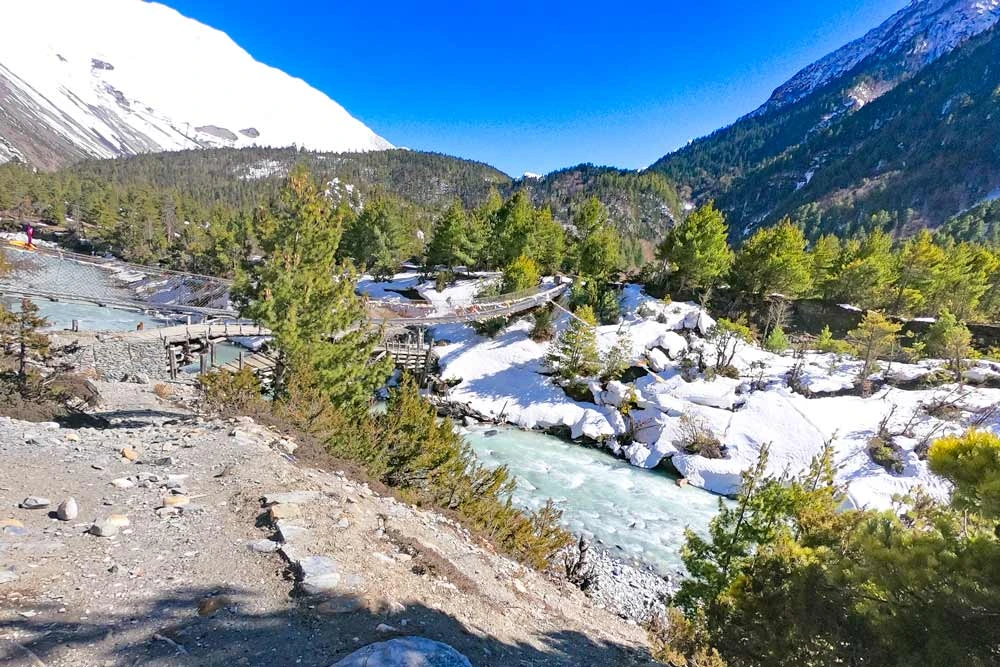
Among the greatest trekking experiences one can undertake in the Himalayan range is that of the Annapurna Circuit. The 12-18 days route takes you through subtropical farmland, alpine forest, dry highlands, until you reach the Thorong La Pass (5,416 m) at the end of the circuit. As always, the appeal lies in the diversity of experience; however, the annapurna himalaya nepal Circuit requires careful planning. Here are 10 annapurna circuit trek tips for you.
1. Take Care of Your Annapurna Permits in Advance
To enter the Annapurna Conservation Area (ACAP), all foreign trekkers must purchase the ACAP permit for NPR 3,000 (foreign) and NPR 1,000 (SAARC national); single-entry and free for kids under 10. Permits will be checked along the way, and there is a penalty of double fees for trekking without permits. Purchase it in Kathmandu or Pokhara, keep the original and photocopies of it handy.
2. Clarify the Annapurna Permit and Guide Requirements in Advance
The most confusing aspects of planning your Annapurna trek are the permit regulations. Whereas many sources say that the TIMS card is not necessary any longer on Annapurna trails and costs NPR 2,000, others still list it. Also, some sources disagree about whether you need a licensed guide. Since the rules change, make sure to clarify your requirements from a registered trekking agency or Nepal Tourism Board weeks before your trip.
3. Pick the Best Season to Trek Annapurna
The best seasons for Annapurna trek are spring (March to May) and autumn (September to November). The autumn season features stable weather and beautiful view of the mountains. In spring, there are rhododendrons blooming on the lower routes. During winter, snow falls, and Thorong La is likely to be closed. While during the monsoon (June to August), there are leeches and landslides on lower routes, the shadowed side from Manang and Muktinath remains fairly dry.
4. Prepare a Well-Thought Annapurna Circuit Itinerary
It takes most trekkers from 12 to 18 days for the circuit from Besisahar/Dharapani to Jomsom/Tatopani. Due to new roads, many trekkers skip vehicle-crowded parts of the route and use cars and buses for transportation to walk on quiet trails only. Include additional buffer days to cope with bad weather. A strict itinerary is the most common reason why trekkers get over-exhausted and sick on their routes.5. Pay Attention to Acclimatization to Prevent Altitude Sickness
5. Prioritize Acclimatization to Avoid Altitude Sickness
One of the biggest safety hazards on the Annapurna Circuit route is altitude sickness. Once above 3,000 m, you should ascend gradually and make a two-day stop at Manang (3,540 m). On the second day you can hike to Ice Lake or Gangapurna viewpoint. Don’t forget to drink plenty of water, abstain from alcohol, and heed any headaches, dizziness, and nausea. If you have symptoms of altitude sickness – then go down. This is the golden rule – do not go up when you feel bad.
6. Plan Your Annapurna Backpacking Gear List
A good packing list for the Annapurna trek is a layered one. Necessary equipment is:
- Comfortable waterproof boots for trekking and spare socks
- Base layers, mid-layers (fleece), down jacket and a waterproof jacket
- Hat, gloves, sunglasses and sun screen
- Sleeping bag (-10°C)
- Walking poles, head lamp and a water bottle with purification tablets
- First aid kit and your regular medicine
If you are carrying your backpack, it will weigh about 8-10 kg. You should hire a porter to carry the most heavyweight stuff like the down jacket.
7. Budget for Expenses on the Trekking Route
Costs of doing the Annapurna Circuit Trek depend largely on whether or not you engage a guide and the number of days for the trip and comfort of the teahouses that you stay in. The published figures for the year 2026 show that the cost of this experience ranges from about $700 to $2,500 per individual. Most 15 to 18 day guided treks are usually between $1,200 and $1,800.
Some typical costs to consider while planning:
- ACAP permit: NPR 3,000 (foreigners); NPR 1,000 (SAARC nationals)
- Teahouse accommodation: approximately $3 to $15 per night
- Guide: roughly $25 to $35 per day, if you hire one
- Porter: you should factor in additional costs per day in addition to the guide
- Food: the prices go up depending on the elevation
- Transporation: from Kathmandu to Besisahar at the beginning and Jomsom to Pokhara at the end.
Don’t forget about the smaller costs, including phone charges, shower fees, Wi-Fi charges, water bottles or tablets for purifying water, tips and renting equipment. Carry sufficient Nepalese rupee in cash form as ATMs are rare after main towns.
8. Consider Hiring a Guide and a Porter for the Trekking
While it is possible not to use a guide, it can be beneficial to have him anyway for navigating, deciding the weather and monitoring your altitude among other things. With a porter, you can relax on the trek rather than suffer. Hiring local people provides direct help to their economy. No matter what you chose to hire, do it from a registered agency and make sure that the porters have necessary equipment and insurance.
9. Purchase Travel Insurance for High Altitude Trekking
Most travel insurances do not cover treks above 4,000 m. Ensure you have insurance that will cover high altitude trekking up to 5,500 m, with helicopter evacuation included. It is expensive to get rescued in the Annapurna region, but a guarantee for payment is always needed. Note down your policy number and emergency contacts.
10. Respect the Environment and Culture
Annapurna is a protected area where the money you pay for the permit goes into maintenance and preservation of the area. Take back any plastic material, use purification tablets or filters to avoid littering plastic bottles. Use “Namaste” as greetings, ask for permission to take photos of the locals, and always walk clockwise around mani stones and stupas.
Conclusion - Annapurna Circuit Trek Tips
Annapurna Circuit trek requires some preparation. Ensure you organize all permits, select the best season, acclimatize slowly, pack well, and purchase appropriate insurance. If you do all this, you will make Annapurna Circuit an easy trek.
Frequently Asked Questions -Annapurna Circuit Trek Tips
What Is the Annapurna Circuit Trek?
A circular long trek of the Annapurna range in Nepal, involving Thorong La pass (5416m) in various terrains and settlements.
How Difficult Is the Annapurna Circuit Trek?
Moderate to difficult: No technical skills required, but strenuous days and high altitudes, especially at Thorong La, need proper conditioning.
How Long Is the Annapurna Circuit Trek?
Typically, it takes between 12 and 18 days to complete the trek, which is about 160-230km based on the distance you walk off the roads.
What to Pack for the Annapurna Circuit Trek?
Multi-layered clothes, down jacket, waterproof jacket, well-broken-in shoes, a sleeping bag for -10°C, trekking poles, head lamp, water purifiers, first aid kit and permit.
Do I Need a Guide for the Annapurna Circuit Trek?
According to most sources, it is mandatory for foreigners to have a licensed guide since April 2023, but the regulations may differ and should be confirmed by the Nepal Tourism Board