Gokyo Lake Trek: The Turquoise Gems of Solukhumbu
By Prajwal Deula | Updated: November 2026 | Category: Nepal Trekking
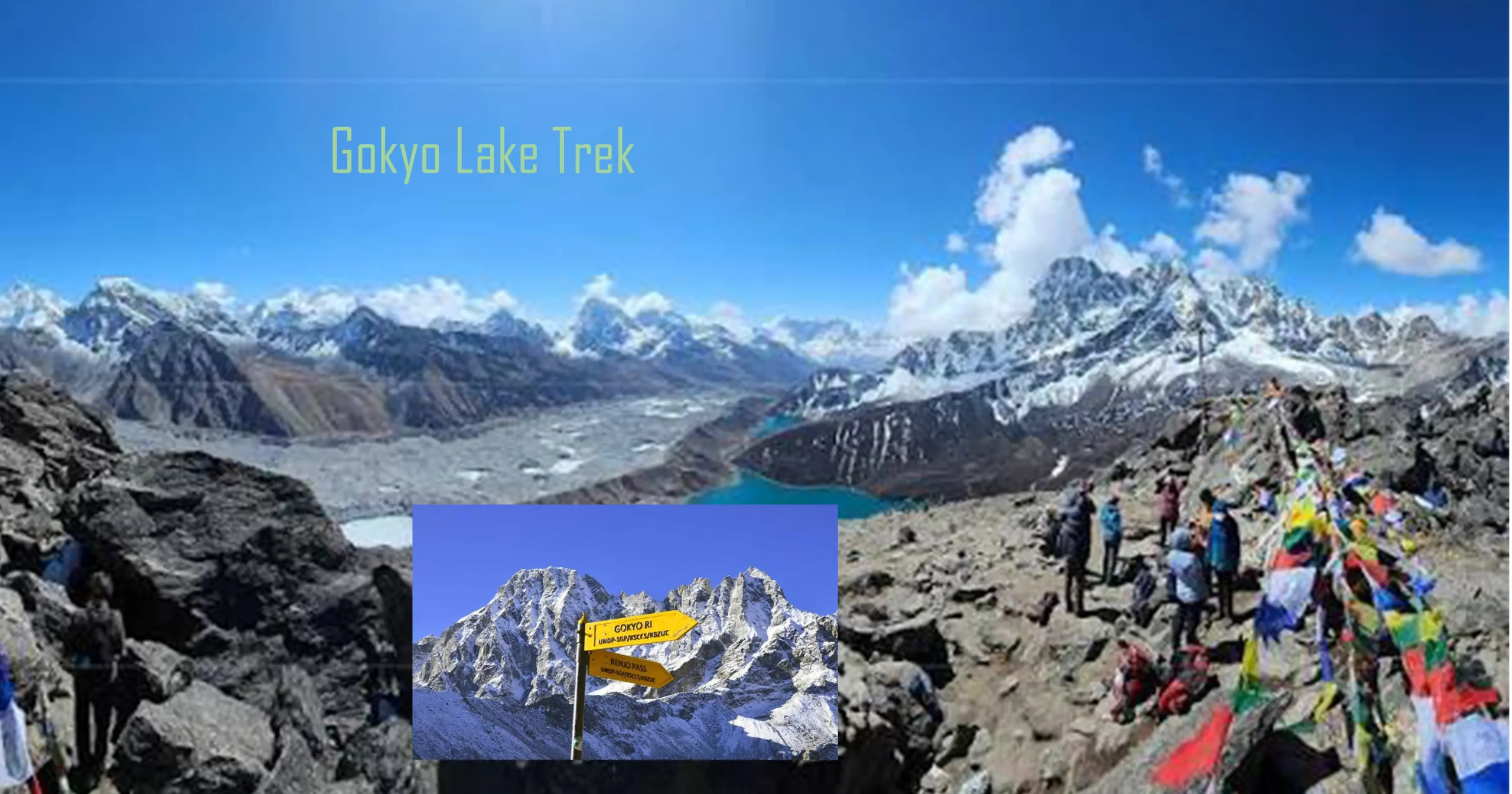
One of the most rewarding treks in the Everest region of Nepal, the Gokyo Lake Trek often flies under the radar. The trail takes you through the Gokyo valley, part of the Sagarmatha National Park. You will follow the mighty Ngozumpa glacier to a series of glacial lakes that are a stunning shade of turquoise and emerald. At the top of the lakes is the Gokyo Ri (5357m), which provides an incredible view of Everest, Lhotse, Makalu and Cho Oyu. This trek is much more peaceful than the popular Everest Base Camp trek.
If you are looking for breathtaking mountain views but want to avoid busy guesthouses then this is the one for you! In this blog we will provide you with information regarding the Gokyo lake trek itinerary, distance, difficulty, cost, permit information, trekking options and best time to go to help you plan your next Himalayan adventure with no doubt.
Gokyo Lake Trek at a Glance
Detail | Information |
Region | Khumbu (Solukhumbu District), Sagarmatha National Park, Nepal |
Standard duration | 10 to 12 days (Lukla to Lukla) |
Highest point | Gokyo Ri, 5,357 m |
Gokyo village | About 4,790 m, beside the third lake |
Total distance | Roughly 90 to 105 km round trip from Lukla |
Difficulty | Moderate to challenging (altitude is the main factor) |
Best time | March to May and September to November |
Typical cost | USD 1,200 to 1,500 for a guided package |
Why the Gokyo Lake Trek Is Called the Turquoise Gem of Solukhumbu?
These are a series of alpine glacial lakes nestled between 4700m and 5000m. Most trekkers will see 6 lakes on this route – Longponga, Taboche (Tanjung), Gokyo (Dudh Pokhari), Thonak, Ngozumpa and Gyazumpa. The colour of the lakes vary from deep blue to milky turquoise depending on what time of day, season and how much glacial sediment is in the lake. This is what attracts such a loyal fan base to this area.
The lakes are located just next to the Longest glacier in the Himalayas – the Ngozumpa Glacier. The trek along the moraine of this glacier creates an almost lunar landscape. This can’t be found on the busier routes of Everest. The Gokyo Valley is known as a sacred landscape to the Sherpa and Hindu communities. Along the valley you’ll see many Mani walls, Chortens and Prayer Flags.
Many guides will tell you the views from Gokyo Ri are better than those from Kala Patthar on the Everest Base Camp trek. You’ll get a panorama view with 4 of the 8000m peaks (Everest, Lhotse, Makalu & Cho Oyu). Plus you’ll have the beautiful lakes below.
Gokyo Lake Trek Route and Map
The Gokyo lake trek can be accessed by flying for 35 minutes from Kathmandu to Lukla (2860m), then following the Dudh Koshi river northbound towards Namche Bazaar, the Sherpa trading centre. You will then diverge off the main trail to Everest Base Camp and head up the western fork of the Dudh Koshi to Dole, Machhermo and Gokyo.
The main places to note on the Gokyo Lake trekking map are Lukla, Phakding, Namche Bazaar, Dole, Machhermo, Gokyo, Gokyo Ri and then back down the same valley. Some companies will take you up and down the high route via Mong La and Phortse to give some variety to your trek.
Three things set this route apart from other Khumbu treks:
- As it is a dead-end valley there will be far less traffic than on the Everest Base Camp trail.
- There are less and seasonal villages above Dole meaning the lodges will be basic.
- The route can be extended to larger loops such as the Cho La Pass to Everest Base Camp, Renjo La Pass and Full Three Passes Trek.
Gokyo Lake Trek Itinerary (11 Days)
This is the classic 11-day route with plenty of time to acclimatise at Namche and an extra night at Gokyo. Many companies will offer a 10-day version where you cut a day out from the return journey and a 12-day version with an extra rest day or 5th lake visit.
Day | Route | Approx. altitude |
1 | Fly Kathmandu to Lukla, trek to Phakding | 2,652 m |
2 | Phakding to Namche Bazaar | 3,440 m |
3 | Acclimatization day in Namche (hike toward Everest View Hotel) | 3,440 m |
4 | Namche to Dole | 4,040 to 4,200 m |
5 | Dole to Machhermo | 4,410 m |
6 | Machhermo to Gokyo village | 4,790 m |
7 | Climb Gokyo Ri at sunrise, explore the lakes | 5,357 m |
8 | Gokyo to Dole | 4,040 m |
9 | Dole to Namche Bazaar | 3,440 m |
10 | Namche to Lukla | 2,860 m |
11 | Fly Lukla to Kathmandu | 1,400 m |
A few tips on the itinerary: It would be best to fly early in the morning as Lukla is much more reliable before the cloud sets in. We also recommend you leave a spare day at the end of your itinerary as there can often be delays due to the weather. If you have time to spare then the 11-day gokyo lake trek can easily be extended to 12 days by including a visit to the fourth and fifth lakes. Scoundrel’s Viewpoint is located near the fifth lake and provides a spectacular view over the glacier.
Gokyo Lake Trek Distance and Daily Walking Time
Exact distances are difficult to pin down due to different starting points used by various companies. Most people agree that the full length of the trek will be between 90 and 105km. There are some longer treks from Salleri or Jiri which can be well over 100km.
The walking duration is usually between 4-7 hours per day. The longest days tend to be from Namche to Dole and Machhermo to Gokyo, both involve constant ascent and high altitude. In addition the trek up to Gokyo Ri adds around 2.5-3.5 hours of climbing to your walking time. The walk back down takes less time.
Gokyo Lake Trek Difficulty: How Hard Is It?
The Gokyo lake trek is often described by most trekkers as being of moderate to challenging difficulty. This is due to the altitude, not the route which isn’t technical and doesn’t require any climbing ability. As the altitude is quite high you will be sleeping around 4790m and the summit of Gokyo Ri is roughly as high as Everest Base Camp. Spend at least one proper acclimatisation day in Namche and two nights in Gokyo. Take it slow, drink lots of water and if you get any symptoms of altitude sickness then head back down.
Temperature
Temperatures during the day can be high (high teens °C). However, temperatures at night above 4500m will be much lower than freezing, especially in November/March.
Compared to Everest Base Camp
Gokyo is usually seen as slightly easier on the body due to the altitude being gained gradually and the days aren’t too long. However it requires more self sufficient trekking as there are less lodges.
A good way to prepare would be to do some cardiovascular fitness and strengthen your legs for between 8-12 weeks. Do some long practice treks carrying a loaded day pack. Also get trekking poles to help your knees when descending.
Gokyo Lake Trek Cost: What to Budget
The cost of the Gokyo lake treks will vary depending on when you visit, how many people are in your party and how long you’re staying there. Most guided treks will cost you between USD $1200-1500 from Kathmandu. However you may see prices range from around USD $950 to over USD $1800. If you’re doing an Everest Base Camp with Gokyo package it will cost more, most commonly between USD $1400-2500.
Most packages will include:
- Return flights to Lukla (or transport plans by road if applicable)
- Permits to enter Sagarmatha National Park and local municipality.
- Licensed guide and often a porter.
- Lodging and meals in teahouses/lodges.
- Transfers from the airport and hotel nights in Kathmandu (depending on package).
Often extra costs can come up such as travel insurance including high altitude coverage, personal items, tipping, wi-fi, hot showers and electricity charges. If you’re trekking independently you should budget around USD $25-45 per day for food and accommodation in teahouses. As you go higher you will find prices increasing.
Gokyo Lake Trek Cost for Nepali Trekkers
The overall cost of the Gokyo lake trek is much cheaper for Nepali citizens. The national park entrance fee for Nepalis is much cheaper than that for international trekkers. By travelling independently you can also save lots of money. The main expense will be the flight to Lukla and accommodation so it is definitely possible to trek on a budget.
Permits Needed for the Gokyo Lake Trek
You will need two permits:
- Sagarmatha National Park Permit – around NPR 3000 (USD 30) per foreign tourist.
- Khumbu Pasang Lhamu Rural Municipality – around NPR 2000 (USD 20).
Sometimes an operator will organise a TIMS card. Rules are constantly changing. Some operators say that from 2026 you will need a licensed guide within the Sagarmatha region. It is always best to check with a registered agency to ensure you know what requirements are currently in place. You will need your passport, valid insurance paper and passport size photos (sometimes digital photos are acceptable).
Also Read:
Best Time for the Gokyo Lake Trek
The best time to go on the Gokyo Lake trekking route is during spring (March-May) and autumn (Sept-November). The weather is predictable, clear and will provide you with the most spectacular views of the mountains.
- Spring – The weather is warmer and rhododendrons will be in full bloom along the lower part of the trek. Great for sunrise views from Gokyo Ri.
- Autumn – The air will be very clear straight after the monsoon period. This is the most popular time to visit and a great time to experience the Mani Rimdu festival culture.
- Winter – December-February. Very cold temperatures and some of the lakes may freeze however the trails will be quiet. Best for those who are well equipped.
- Monsoon – June-August. Rain, cloudy and flights may be cancelled. Not a reliable time to visit due to the unpredictable views.
What to Pack for the Gokyo Lake Trek?
Packing essentials for freezing nights and sunny days. Pack a 4 season sleeping bag, a down jacket and waterproof shell, thermal base layers, well broken in sturdy trekking boots, sunglasses (with UV protection), sun cream, a torch, water bottles and purification tablets and a small medical kit, including altitude medicine (prescribed by your doctor). Try to keep your duffel within the weight limit (usually around 15KG for the flight from Lukla).
Tips for a Safe and Responsible Gokyo Lake Trek
- Employ a certified guide/porter to help support the local economy and keep you safe.
- Climb high and sleep low and take time to get acclimatised.
- Walk clockwise around any mani walls and chortens to respect Sherpa culture.
- Pack out your plastic and try not to use disposable bottles.
- Ensure you have insurance that covers helicopter evacuation above 5000m.
Final Thoughts - Gokyo Lake Trek
Gokyo Lake Trekking in Nepal offers breath taking glacial vistas and insight into the culture of the Sherpas. The trek ranges from 10 days (classic), 11 days or longer if trekking to Everest Base Camp through Cho La Pass. You will be surrounded by the dazzling turquoise jewel like lakes of Solukhumbu. Choose the right season for your trek, give yourself plenty of time to acclimatise and use a licensed company and you will find that the Gokyo Lakes are worth every step!
Frequently Asked Questions - Gokyo Lake Trek
1. Is the Gokyo lake trek suitable for beginners?
Yes, as long as you are fit and well prepared. As there is no technical climbing the altitude can be quite demanding.
2. How many days do I need for the Gokyo lake trek in Nepal?
The gokyo lake trek can be done in 10-12 days from Lukla or 12-14 days including transfer from Kathmandu.
3. Which is better, Gokyo or Everest Base Camp?
Gokyo offers a more peaceful trek with more panoramic views whereas Everest Base Camp has the famous Khumbu Icefall and a more lively lodge atmosphere. You get both if you do both treks together using Cho La.
4. Can I do the Gokyo lake trek in winter?
You can but temperatures can be extreme so only recommended for experienced and well equipped trekkers.