Bhaktapur Walking Tour: Living Gods & Ancient Squares
By Prajwal Deula | Updated: October 2026 | Category: Destinations
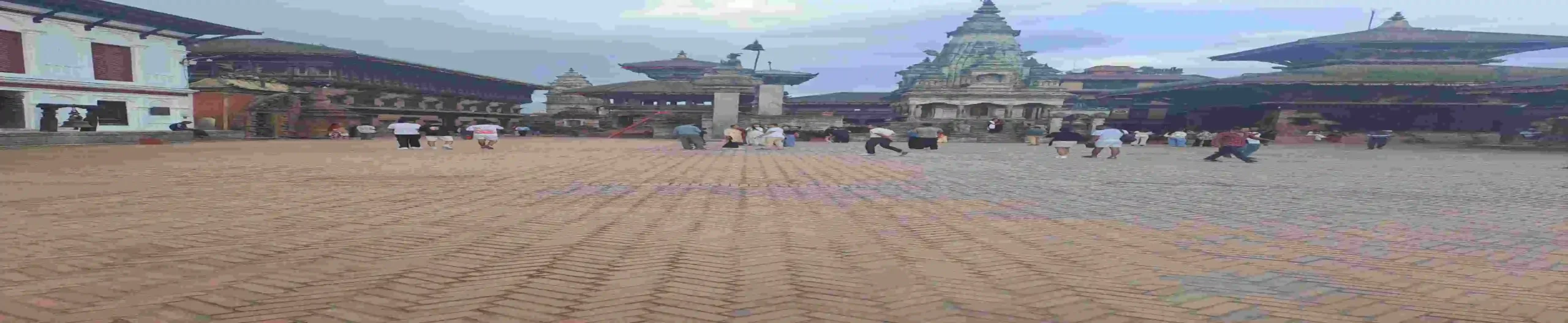
The best way to learn why Bhaktapur is often referred to as a living museum, is by taking a bhaktapur walking tour. Located just 13km from Kathmandu, Bhaktapur is still thriving with century old tradition, artisanship and rituals. The town is full of festivals, rituals and daily worship with no need to worry about your gods behind the glass.
There are four historic squares to walk through: Durbar Square, Taumadhi Square, Pottery Square and Dattatreya Square. This guide gives you all the details you need to know for a great heritage walk around Bhaktapur. Including what to see, what the living goddess tradition means to this city, when to visit. You’ll also find information about tickets, tips for planning your visit and great food stops.
Why Walk Around Bhaktapur?
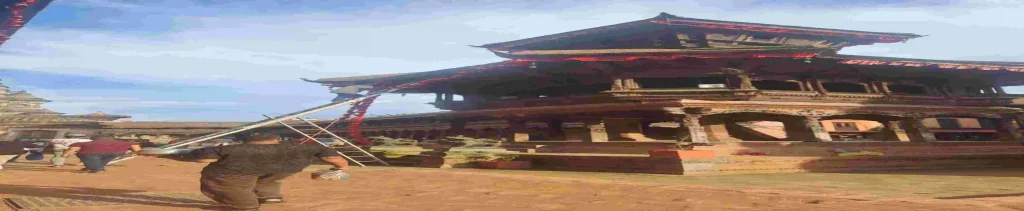
Many people visit Bhaktapur and only stop off at Durbar Square and take a few photos before returning to their car. However, this is a whole city. There are houses, workshops, shrines and courtyards all connected with narrow streets. Walking around will enable you to admire the intricately carved windows, offerings at shrines and elderly people sitting in front of temples. As it is a small old town, a leisurely walk should allow you to walk around all 4 main squares in 3-5 hours, depending on how many stops you make.
Bhaktapur Durbar Square
This is the main square, the old royal palace of the city. It is a UNESCO heritage site and there are many sights to see. The 55-Window Palace is a highlight with its intricately carved wooden balcony. The Golden Gate is another stand-out building, with its beautiful golden metal work and tiered images of gods. This takes you closer to the royal Taleju temple.
Look out for the intricately carved stone Vatsala Durga temple. There are also many pairs of guardian statues, such as lions. Some parts of this square were damaged in the earthquake of 2015, so some of the monuments have been restored. This means that some areas will have scaffolding. However, it is a good place to take your time and save your energy for later. Often the less busy squares are the busiest and most lively.
Taumadhi Square
Head down the lane from Durbar Square and you will enter Taumadhi Square. This is a large open square and feels more lively and authentic. The Nyatapola temple is the main attraction. This 5 storey pagoda temple was built early 18th century. It sits atop a series of steps and stands tall above the square. There are many pairs of guardian statues, made of stone and getting stronger as you go up.
The Bhairabnath temple is located next to the Nyatapola temple. This temple is linked to one of the strongest protector gods in the city. During the Bisket Jatra festival in April, this is a very busy area with many chariots and processions. However, there are many terraces around the square with cafes making this a great place to stop for a cup of tea.
Pottery Square
This is one of the most unique places to visit on any heritage walk around Bhaktapur. Potters are working on their pottery, shaping the clay on wheels. The finished pieces are placed out to dry. This really does feel as though you are stepping back in time. There are small shops selling cups, lamps and ornamental pieces. Often the potters are more memorable than the monuments. If you would like a small souvenir, buy something small directly from the potter.
Dattatreya Square
This is the oldest square and the most peaceful. The main Dattatreya temple was said to be built using wood from a single tree. The square is also famous for the beautifully carved Peacock Window.
Take your time to explore the side streets. There are many woodcarving workshops, small courtyard and monasteries. This is the part of Bhaktapur that feels the least like a tourist spot.
Living Gods
Although there are many statues, Bhaktapur has ‘living gods’. Newars follow a mixture of Hindu and Buddhism beliefs. God’s are worshipped during festivals, processions and daily rituals. The most famous are the Kumari tradition. This involves worshipping a young girl as she is believed to be the embodiment of a goddess. The Kumari in Kathmandu is the most well-known however the whole Newar world (including Bhaktapur) have living goddess traditions.
You don’t necessarily need to see a Kumari to get a sense of this belief. Locals often touch their forehead to the shrine, light butter lamps and leave flowers and red powder on small stones. Be respectful and ask permission to take photos of any worshippers. Also don’t step on any offerings.
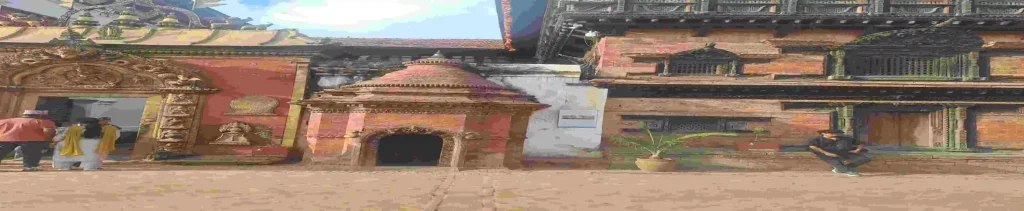
Tips For Visiting Bhaktapur On Foot
- Foreigners usually pay an entry fee to enter the old town. One tour website says it is NPR 1,800 for non-SAARC visitors. Always check the current price at the ticket booth.
- Visit early in the morning. The light will be softer and the squares will be quieter.
- If you want to learn more about the history of Bhaktapur then hire a licensed local guide from the entrance. Otherwise, there are maps to help you navigate.
- Wear comfortable shoes as the ground can be quite bumpy with bricks and stone. Dress modestly around temple.
- Try some famous juju dhau. This is a creamy curd that is often served in small clay pots.
- Take some water and small notes for shops
- and cafes.
Best Time To Visit
Generally October-November and March-April will be sunny and comfortable to walk around. April can be very busy due to the Bisket Jatra festival. The monsoon months will be wet, making the stone steps very slippery. However the city will be green and quiet.
Final Thoughts
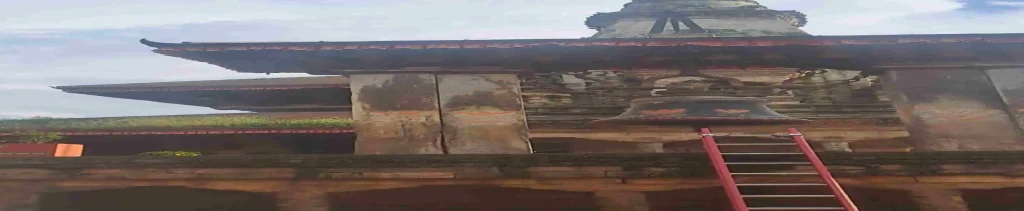
Bhaktapur is best experienced slowly. A well planned walking tour will take you from royal palaces to potters courtyards and grand temples to peaceful shrines. Take your time and respect the local traditions. Remember that the gods aren’t just history, they are your neighbours in Bhaktapur.
FAQ - Bhaktapur Walking Tour
How long does a Bhaktapur walking tour take?
Walking around the four main squares can take between 3-5 hours, depending on how many photos, teas and crafts you want to get involved with. To avoid crowds and have better light start early.
What are the four main squares in Bhaktapur?
The four main historical squares are Durbar Square (royal square), Taumadhi Square (home of the Nyatapola temple), Pottery Square (the open air potter square) and Dattatreya Square (oldest square). It is common to pay an entrance fee to visit this area as a foreign visitor. Non SAARC visitors will pay NPR 1800 for example (prices may vary so check with the ticket office).
How much does it cost to enter Bhaktapur?
Usually there will be a charge for foreign tourists to enter the old town. A price of NPR 1,800 is quoted for non-SAARC visitors on one tour site. However, prices can vary so always check the current price at the ticket desk.
Do I need a guide for Bhaktapur?
Bhaktapur is a small place so it can easily be mapped out. If you want more historical information whilst exploring, you can hire an official local guide at the entrance.
What is the best time to visit Bhaktapur?
The best times to walk are October-November and March-April when the weather is crisp and clear. April is a busy time with the Bisket Jatra Festival making it a very lively place to visit. The city is greener during the monsoon season. However the stone steps can become very slippery.